
Respiratory Monitoring Device for Cardiovascular Disease Prediction

An embedded healthcare sensing platform developed for real-time respiratory motion monitoring using IMU sensors, ESP32 firmware and signal processing algorithms.

ESP32 MPU6050 ESP-IDF Python Signal Processing PCA Fusion360

Project Overview

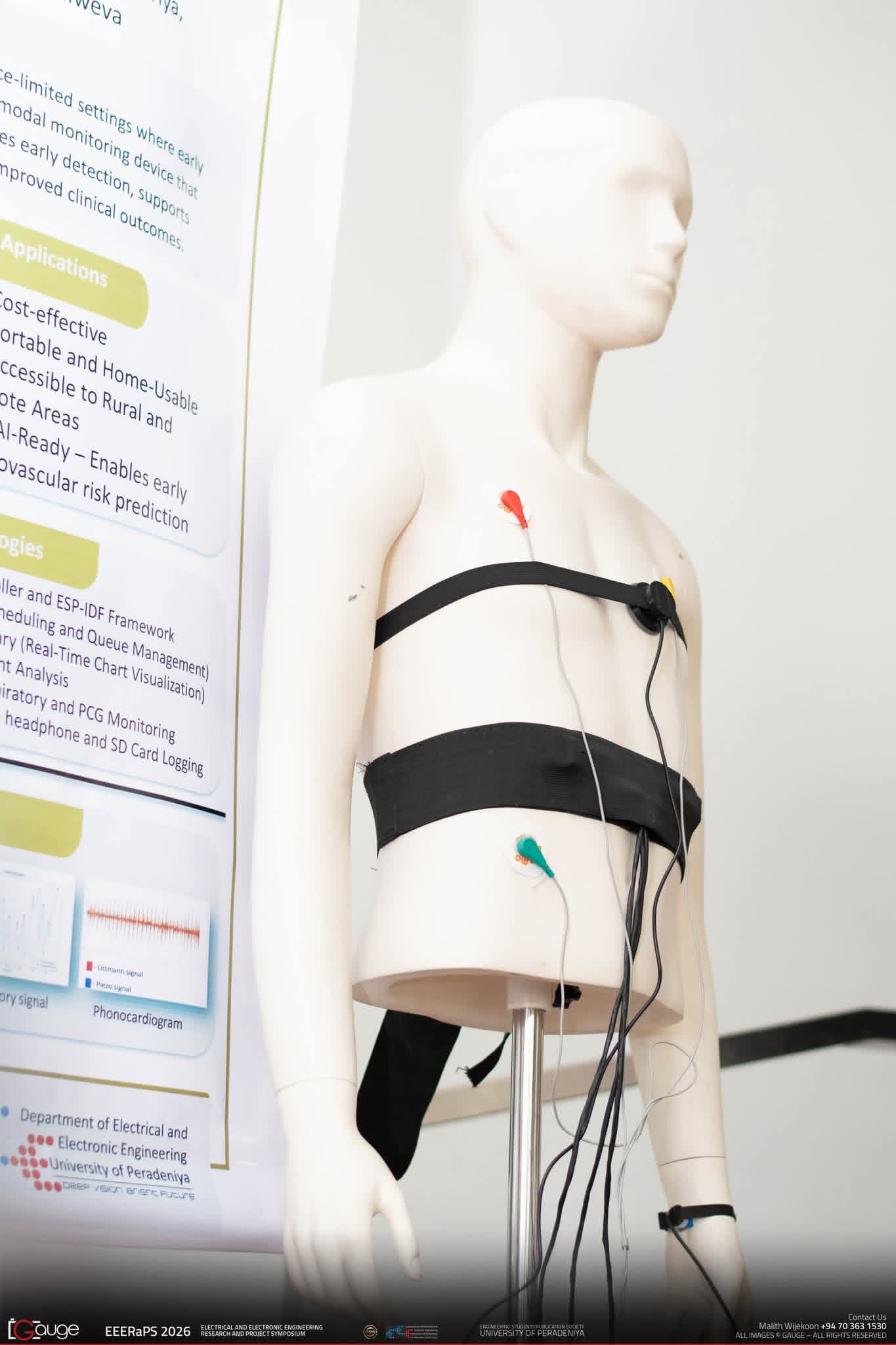
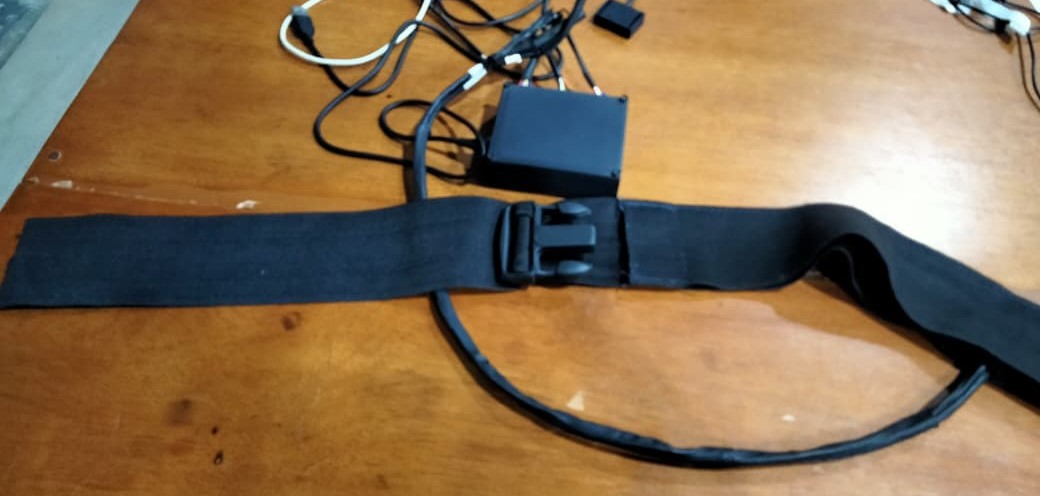
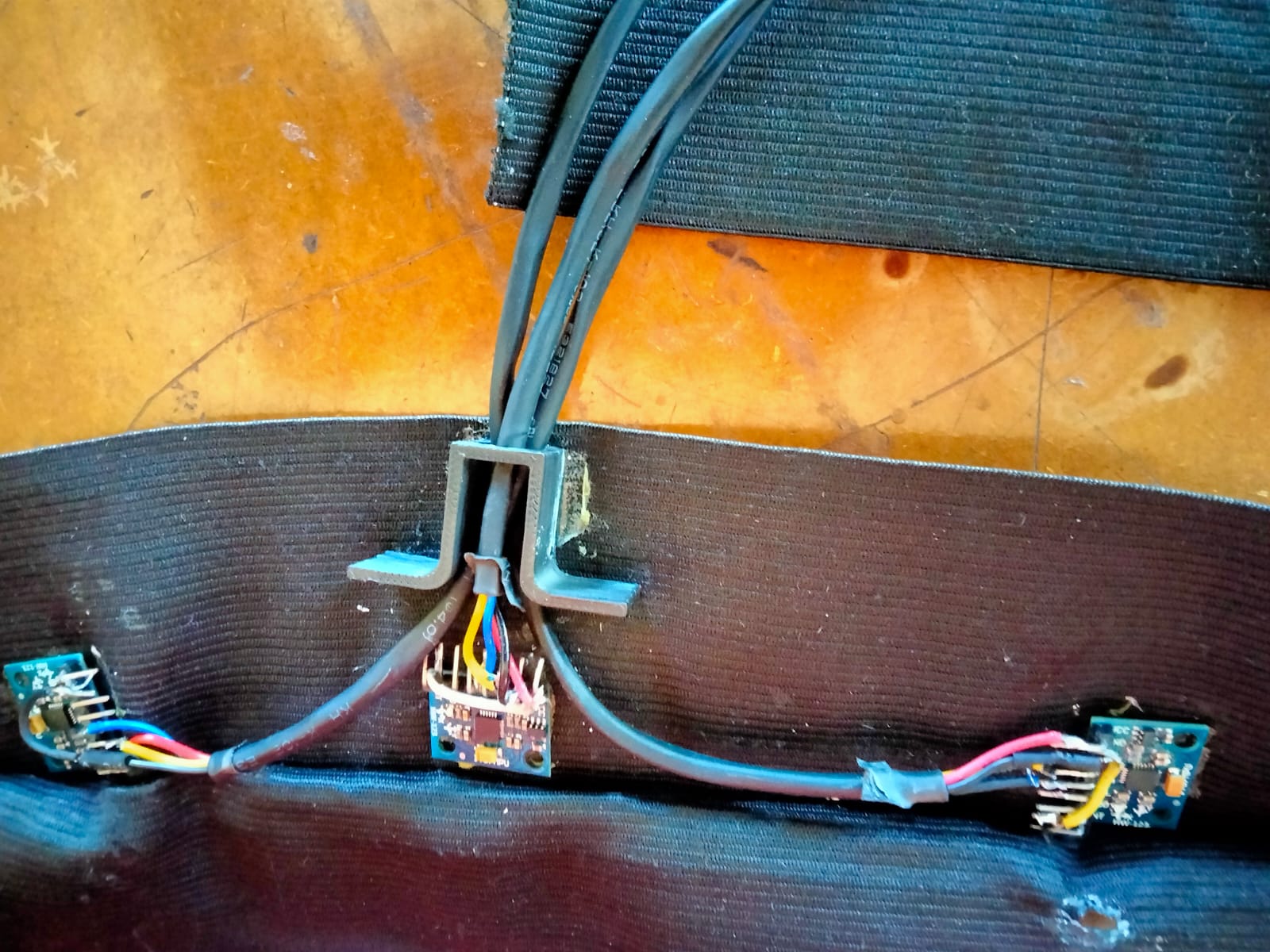
This project focuses on developing a wearable respiratory monitoring device capable of capturing chest movement signals using multiple inertial measurement units. The system combines embedded hardware, firmware development, signal processing and computer-based visualization.

Problem Statement

Traditional respiratory monitoring systems often require specialized equipment and controlled clinical environments. This project investigates a portable approach using low-cost sensors and embedded processing.

Objectives

  • Develop a wearable sensing hardware platform
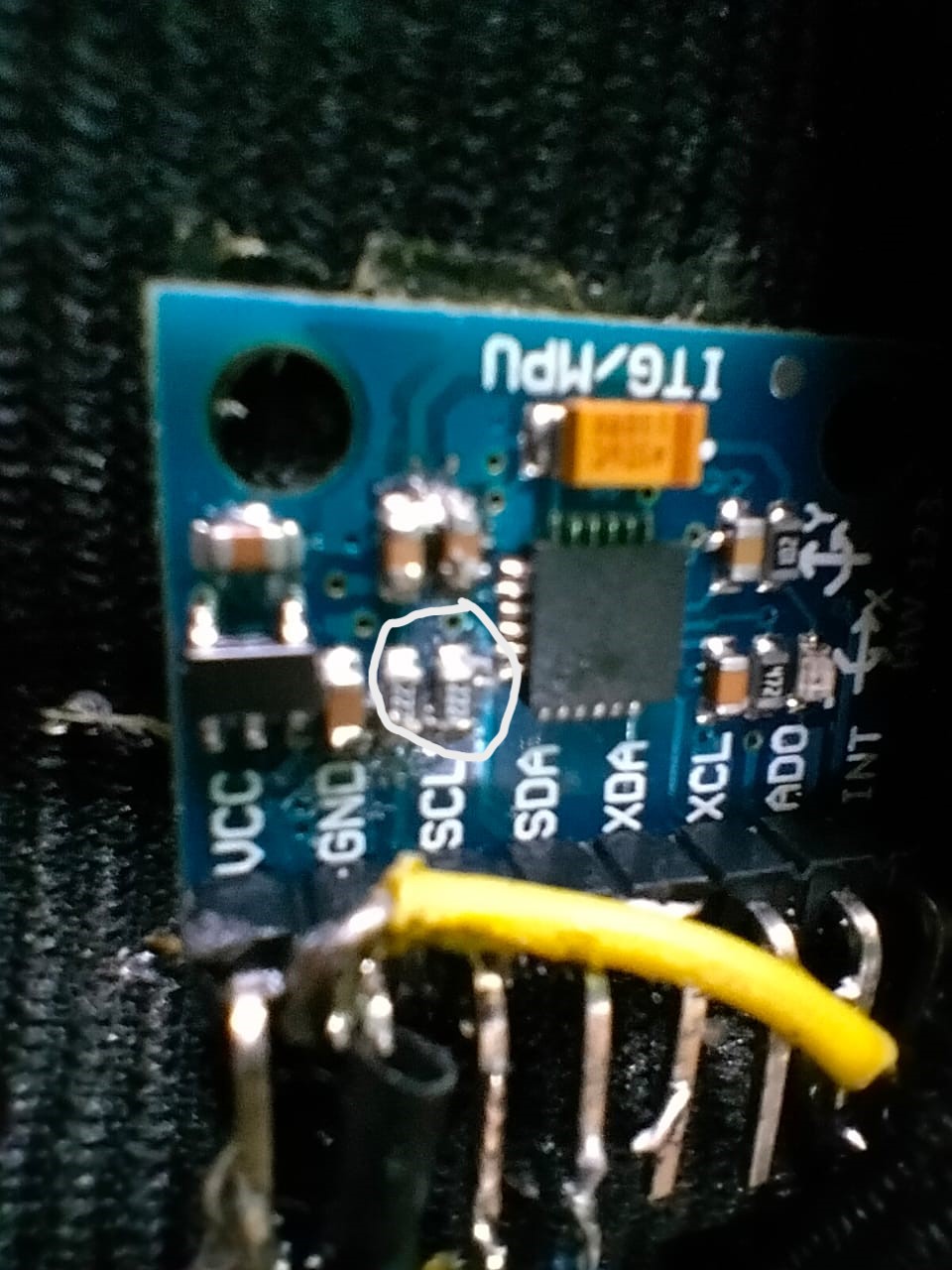
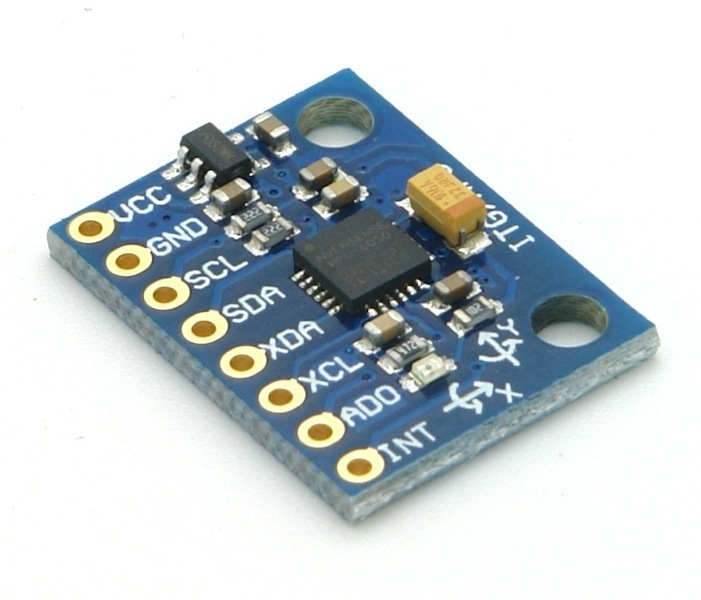
  • Acquire respiratory motion data using IMU sensors(MPU6050)
  • Implement embedded firmware using ESP32
  • Develop signal processing algorithms for breathing extraction
  • Create real-time visualization software

System Architecture

The system consists of:

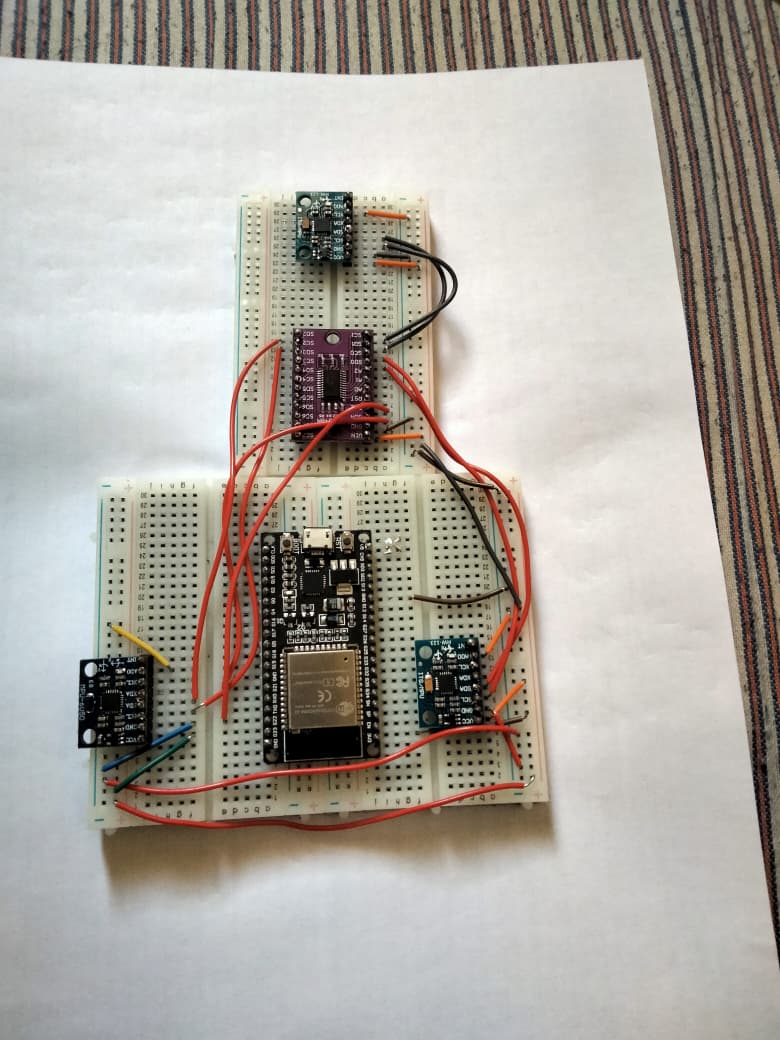
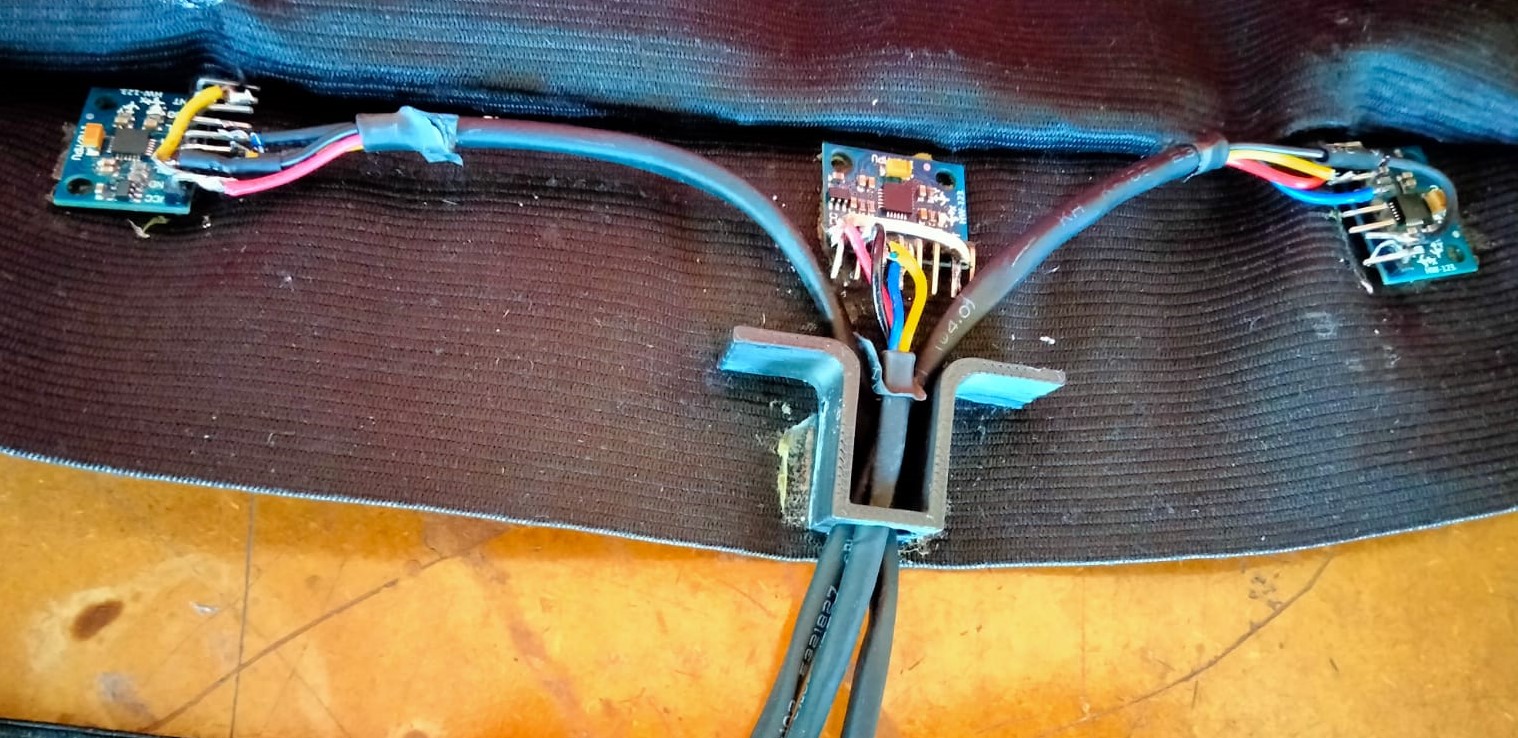
  • Multiple MPU6050 inertial sensors
  • ESP32 embedded controller
  • Serial communication interface
  • Python-based monitoring application

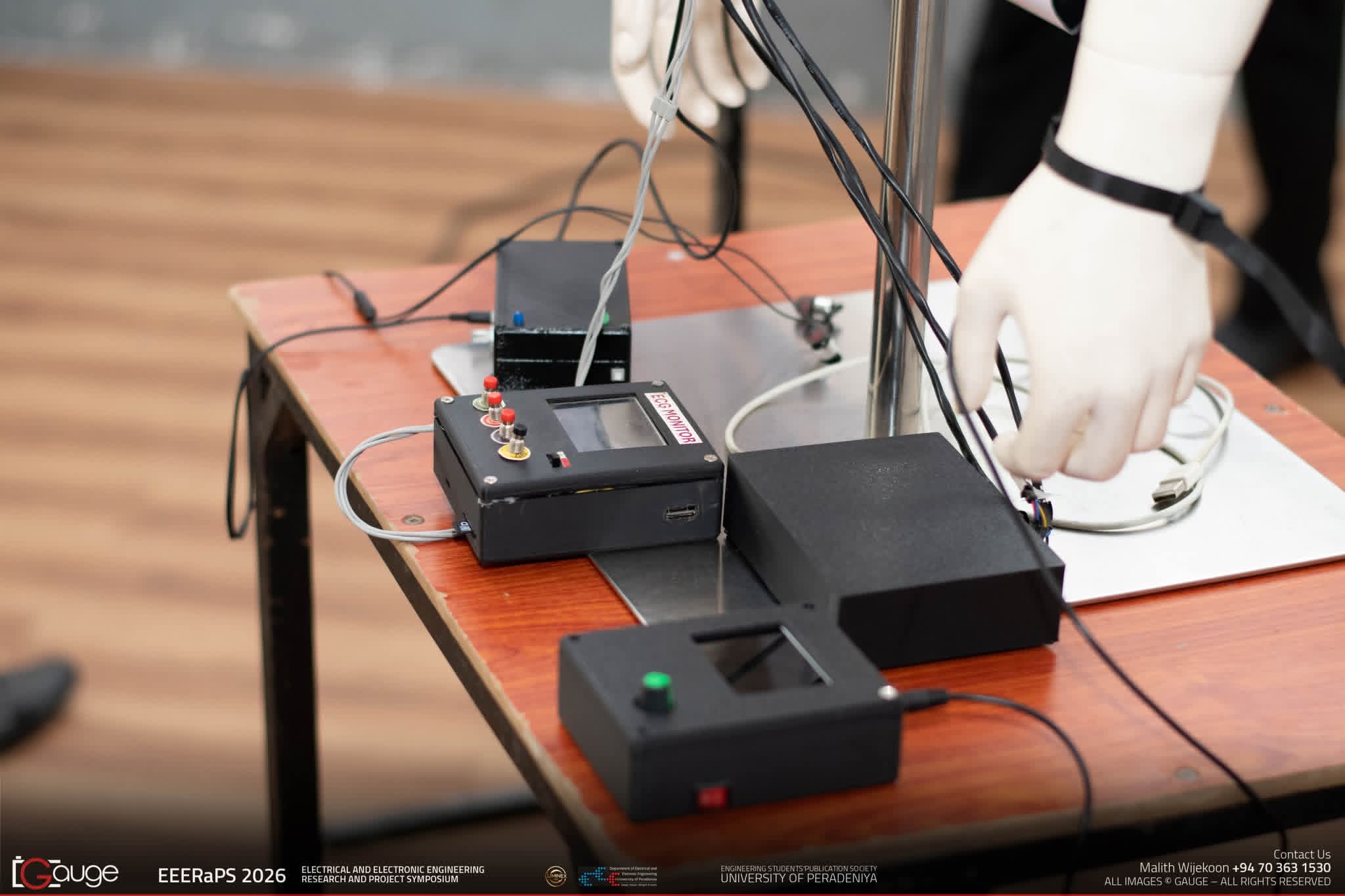
Hardware Design

The wearable device was designed using:

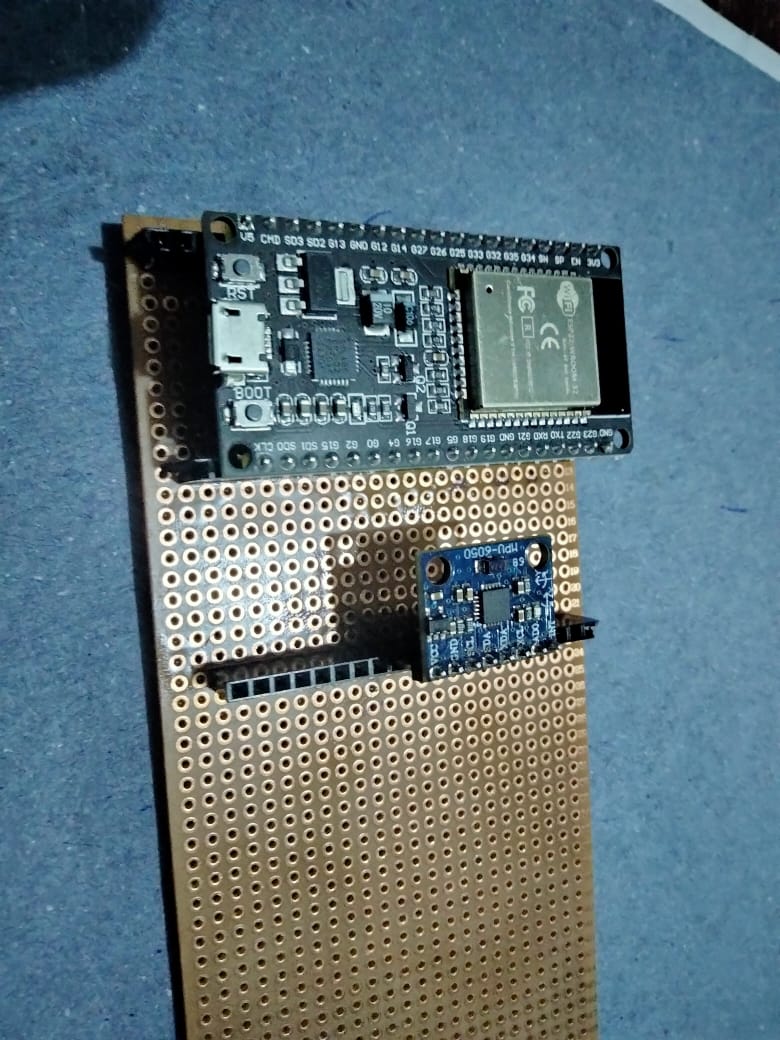
  • ESP32 DevKit
  • MPU6050 IMU sensors
  • Custom sensor arrangement
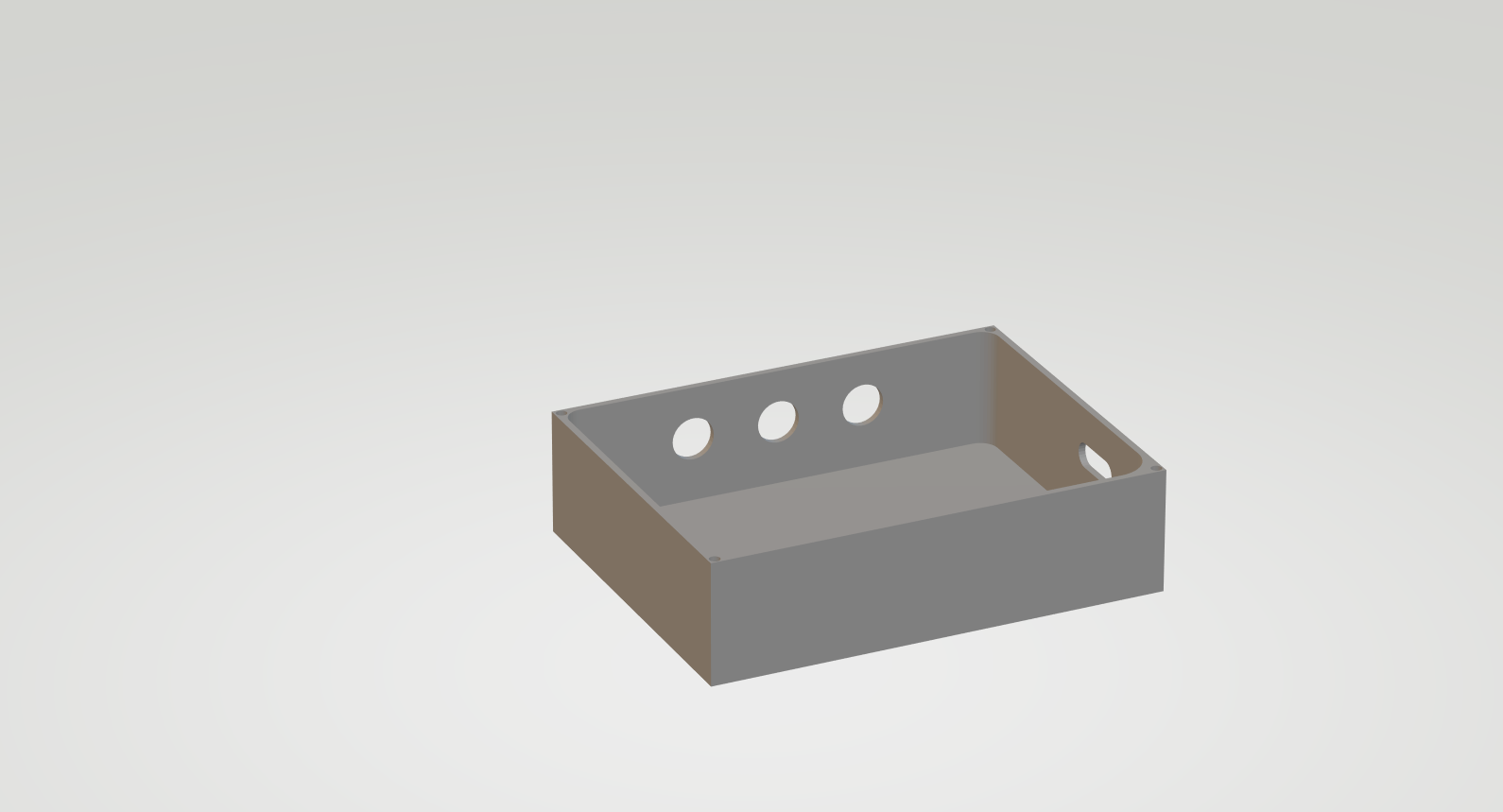
  • 3D printed enclosure

Firmware Development

Firmware was developed using ESP-IDF. The embedded software handles:

  • Sensor communication through I2C
  • Data acquisition at 100Hz
  • Sensor calibration
  • Real-time data transmission

Signal Processing

The respiratory signal extraction pipeline included:

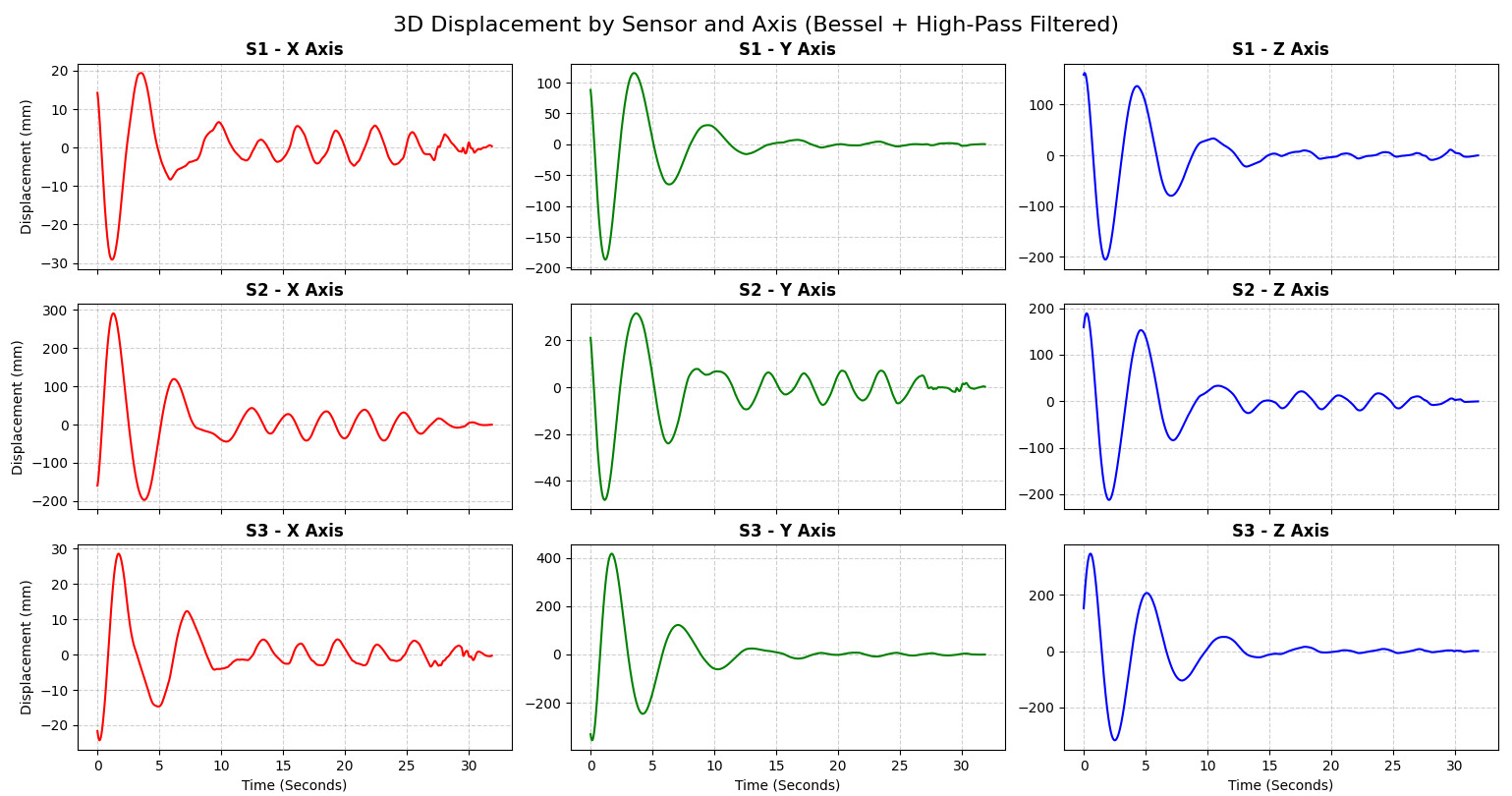
  • Gravity compensation using MPU6050 DMP
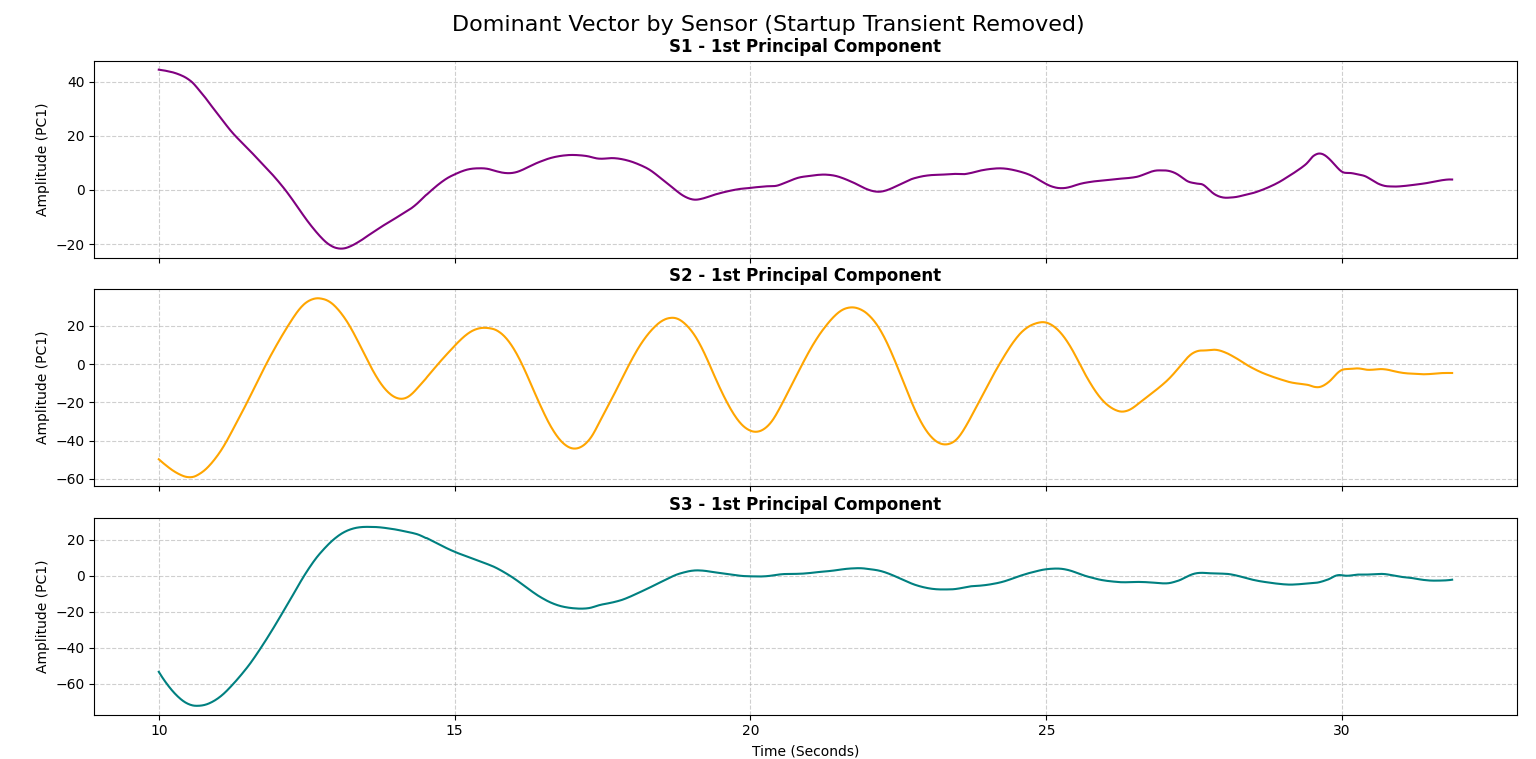
  • Incremental Principal Component Analysis (IPCA)
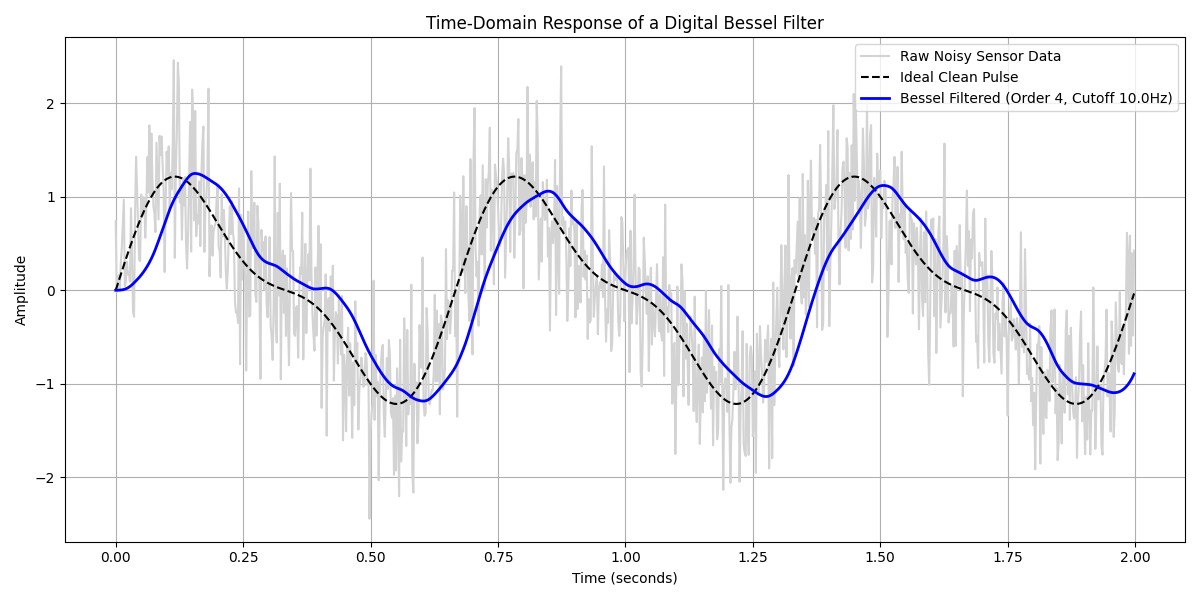
  • Low-pass filtering
  • EMA smoothing
  • Respiratory waveform extraction

PC Visualization Software

A Python application was developed using:

PyQt5 pyqtgraph Python

The software provides:

  • Real-time waveform display
  • Data logging
  • Serial communication

Testing & Results

The prototype successfully demonstrated:

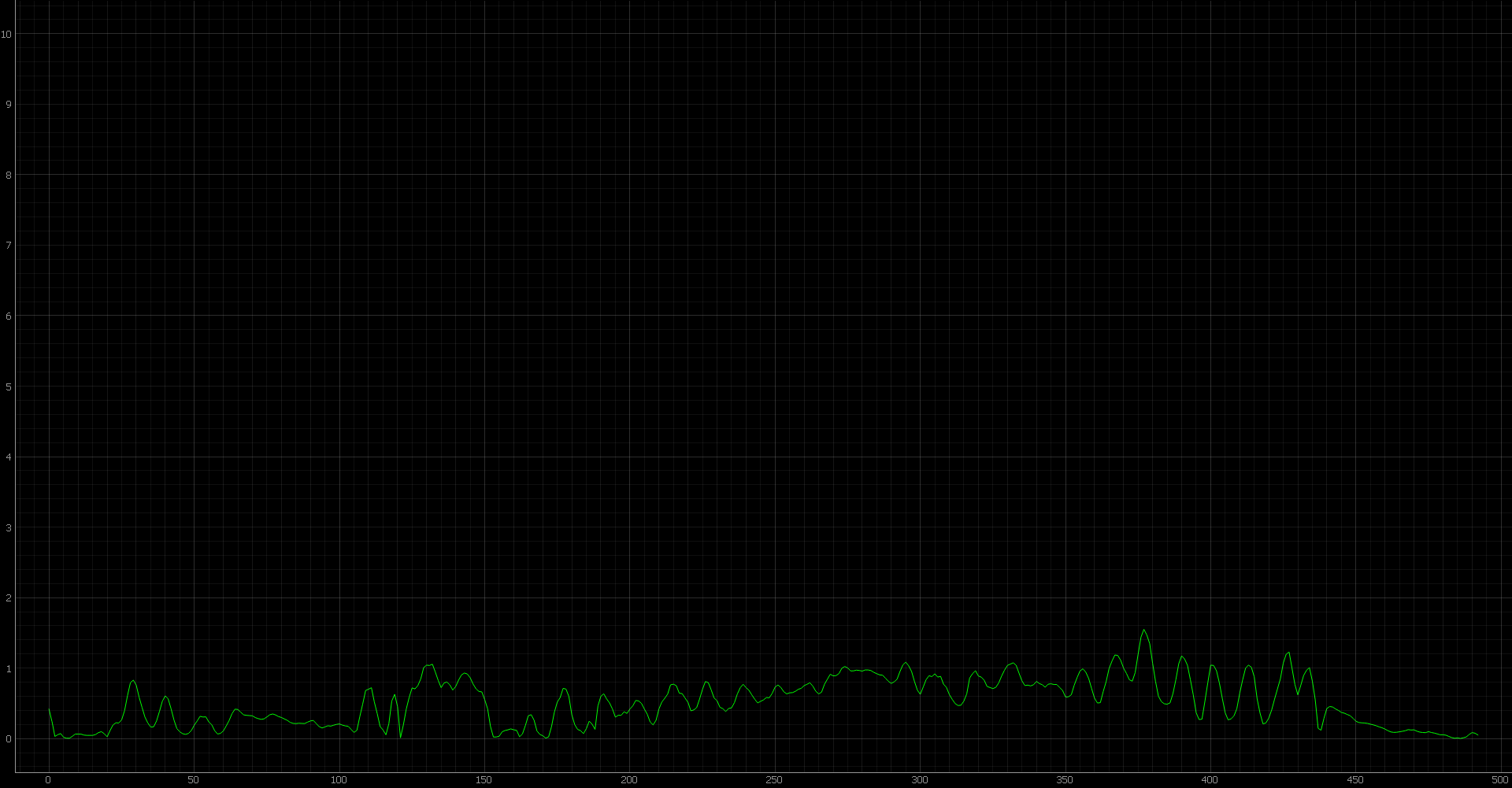
  • Real-time respiratory signal acquisition
  • Stable embedded data collection
  • Continuous waveform visualization
  • Successful sensor fusion approach

Challenges & Improvements

Challenges

  • Sensor noise and movement artifacts
  • Multi-sensor alignment
  • Reliable signal extraction

Future Improvements

  • Wireless wearable communication
  • Cloud-based monitoring
  • Machine learning based respiratory analysis

Project Gallery

View GitHub Repository